
We’ve noticed something at Modern Bee Farmers: many farmers call asking about “bee bait” or “honey attractant” when what they actually need is a bee swarm lure. The confusion is common. A farmer sets up a Langstroth hive expecting bees to arrive immediately, then wonders why nothing happens. Others try placing sugar syrup or honeycomb inside empty hives, which rarely works and sometimes attracts pests instead.

A bee swarm lure isn’t magic, but it does something specific: it mimics the natural pheromone signals that scout bees look for when searching for a new home. In Kenya, where swarm season brings opportunities to expand colonies without buying expensive packages, understanding how lures work makes the difference between an empty hive and a productive one.
What a Bee Lure Is
A bee swarm lure is a pheromone-based attractant that signals to scout bees that your hive is a suitable nesting site. It’s not food. It doesn’t contain honey or sugar. It’s a chemical signal that replicates what worker bees produce naturally when they’ve found a good cavity.
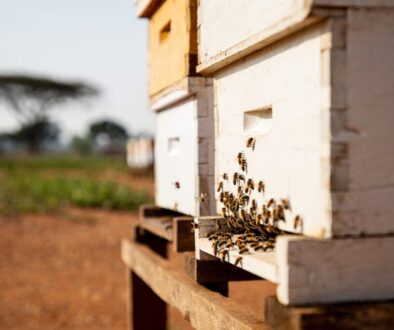
In Kenya, most beekeepers work with Langstroth hives or simple catcher boxes. When a colony swarms, usually during strong nectar flows after the long rains (March to May) or short rains (October to November), scout bees fly out searching for new locations. They assess dozens of potential sites: tree hollows, rock crevices, abandoned structures, and empty hives.
Your job as a beekeeper is to make your hive the most attractive option. A lure helps by providing one of the key signals scouts are programmed to recognize.
How Bee Swarm Lures Work
Scout bees don’t randomly pick new homes. They evaluate several factors:
- Cavity size (enough space for comb building and brood)
- Entrance location (small enough to defend, positioned to avoid direct sun)
- Dryness (no water leaks or dampness)
- Security from predators (ants, honey badgers, birds)
- Scent cues (pheromones indicating previous bee occupation)
A bee swarm lure addresses that last point. It contains synthetic versions of the pheromones bees produce when they’ve claimed a cavity. When scouts investigate your hive, they detect these signals and interpret them as “other bees have approved this spot.”
This doesn’t guarantee colonization, but it significantly increases the chances that scouts will report your hive as a viable option during their “waggle dance” communications back at the swarm cluster.
When Kenyan Beekeepers Use Lures
Colony expansion: If you’re running 5 hives and want to scale to 10, lures let you prepare empty hives during swarm season and capture natural swarms instead of purchasing colonies.
Setting up new Langstroth hives: Many farmers buy hives in January or February, hoping to have colonies by the time crops flower. Applying a lure increases the odds of colonization during March-May swarm peaks.
Installing catcher boxes: Some beekeepers prefer catcher boxes, smaller, mobile boxes designed specifically to attract swarms. Once colonized, they transfer the bees into a full Langstroth or KTBH hive. Lures make catcher boxes more effective.

Recovering lost colonies: If a hive absconded (abandoned due to pests, disturbance, or lack of forage), a cleaned hive with fresh lure can attract a new swarm during the next cycle.
Where Lures Perform Best
Placement matters as much as the lure itself. We’ve seen farmers apply lures correctly but place hives in full sun or near anthills, then complain the lure didn’t work.
Shaded locations: Bees avoid hives that overheat. Position your hive under a tree or use natural shade. Direct sun in Kenyan highlands can make internal hive temperatures unbearable.
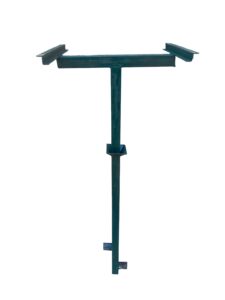
1.5 to 2 meters above ground: This height protects against ground predators and makes the hive less accessible to honey badgers. Use a proper beehive stand, not stacked stones
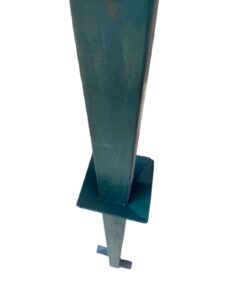
Stable hive stands: Wobbly stands signal instability to scout bees. Invest in a solid Beehive stand (KSh 1,500 at MBF). Bees assess structural integrity during scouting.
Clean hives with fresh wood smell: Don’t apply lure to dirty hives with old comb residue or mold. Bees prefer clean cavities. Remove debris, scrape interior walls, and ensure the hive smells like wood, not old wax or honey.
Away from ant pressure: Check the stand legs for ant trails before placing your hive. We always advice beekeepers grease the legs (our stands have a section just for this)
Ants are a major reason bees reject otherwise suitable hives
Beekeeping Tools We Sell at Modern Bee Farmers
At Modern Bee Farmers, we stock what Kenyan beekeepers actually need:
Bee Swarm Lure: KSh 1,350: Our most common lure product. One bottle covers multiple hive applications. Apply directly to the hive entrance or inside near the top bars.

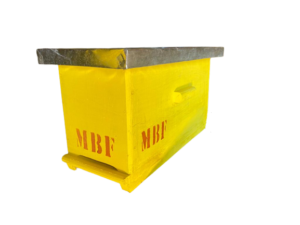
Catcher Box (Langstroth): KSh 1,850: Designed specifically for swarm capture. Smaller than a full hive, easy to move, and compatible with Langstroth frames. Use during peak swarm season, then transfer colonized frames to a standard hive.
Langstroth Hive: Our standard setup for Kenyan beekeepers. Full pricing and specifications available in our catalog or by calling 0743 881 359
Beehive Stand: KSh 1,500: Timber construction, stable design, correct height for swarm attraction and hive management. Essential for proper lure performance.
These aren’t the only tools you might need (you’ll want a beesuit, hive tool, smoker, and frames eventually), but for swarm capture specifically, lure + hive + stand covers the basics.
Step-by-Step Guide for Kenyan Beekeepers on How to Use Bee Swarm Lure
1. Choose your location:
Walk your property or apiary site and identify shaded spots away from foot traffic, livestock paths, and ant nests. Check for stable ground where you can level a hive stand.
2. Set up the hive or catcher box:
Place your hive on a proper beehive stand at 1.5–2 meters height. Ensure it’s level and stable. Check that the entrance faces away from prevailing winds.
3. Apply the bee swarm lure:
Follow packaging instructions. Typically, you’ll apply a few drops near the entrance or inside on the top bars. Don’t overapply. One measured application is enough.
4. Leave the hive undisturbed:
Scout bees will investigate over several days or weeks. Opening the hive frequently disrupts their assessment. Check once per week maximum during swarm season.
5. Monitor scout activity:
If you see individual bees flying in and out repeatedly (not just passing by), scouts are evaluating the site. This is a good sign. Don’t interfere.
6. Once colonized, install frames:
When a swarm moves in, give them 24 hours to settle. Then open the hive gently (use a beesuit) and install frames if you haven’t already. Bees will begin building comb immediately.
7. Continue standard management:
Once the colony is established, switch to normal hive inspections, pest monitoring, and honey management practices. The lure has done its job.
When to Replace or Reapply a Lure
A single application of bee swarm lure typically remains effective for several weeks under normal conditions. The pheromone compounds are relatively stable, but environmental factors can degrade them:
After heavy rains: If your area receives sustained rainfall, the scent may wash away. Reapply after the rain stops and the hive has dried.
After extended sun exposure: Hives in partial shade (not full shade) may experience faster scent degradation due to UV exposure. If no scout activity appears after 3-4 weeks and the hive is in a good location, consider reapplying.
After transferring a colonized catcher box: If you’ve moved bees from a catcher box into a full Langstroth hive, you can reapply lure to the empty catcher box and set it out again.
You don’t need to reapply routinely. Most farmers use one bottle across multiple hives over a single swarm season. Save your money for other apiary needs.
MBF Recommendation
At Modern Bee Farmers, we’ve supplied bee swarm lures to farmers across Nairobi, Eldoret, Lamu, Machakos, Baringo, and other counties since 2007. Based on what we’ve seen work and what doesn’t, here’s our advice:
When we recommend lures:
During January and February, start preparing hives. Apply lures by late February or early March, just before the long rains trigger swarm season. Many farmers wait until April and miss the early swarms.
Common mistakes new farmers make:
Placing hives in full sun because “bees like warmth.” They don’t, they like temperature control. Another mistake: applying lure to hives that still smell of old honey or have debris inside. Scouts interpret this as an occupied or dirty site. Clean first, then lure.
How we support clients:
If you buy a lure and hive from us, call if you’re not seeing scout activity after 2 weeks. We’ll walk through placement, hive preparation, and timing. Sometimes it’s as simple as moving the hive 10 meters into better shade.
We also remind farmers that swarm capture works best when multiple hives are prepared. If you only set up one hive, your odds are lower than if you prepare 3-5 hives across your property. Bees are swarming throughout your area, give them multiple options to find you.
For orders or questions about bee swarm lures, catcher boxes, Langstroth hives, and beehive stands, call us at 0743 881 359 or visit our shop in Nairobi.