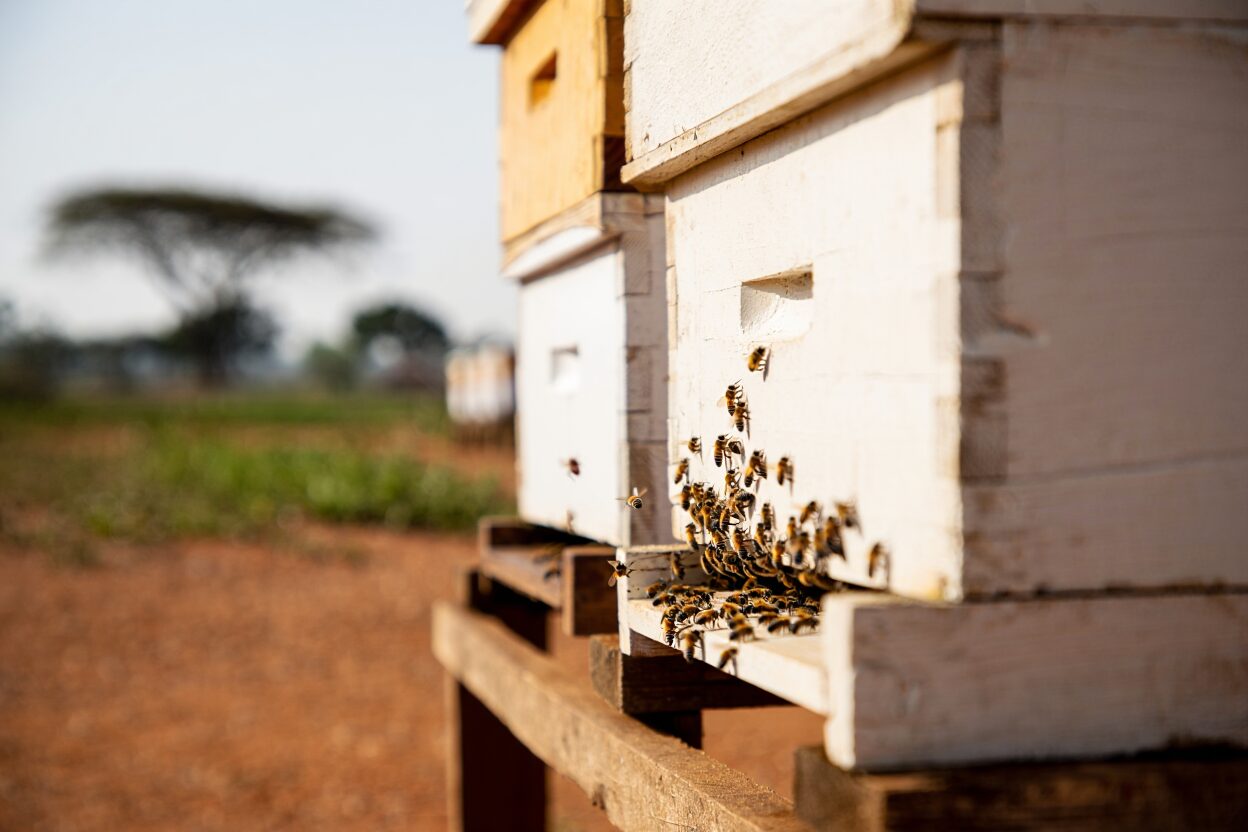
Kenyan beekeeping is experiencing a quiet transformation. While traditional log hives and the Kenya Top Bar Hive still dominate the landscape, accounting for 96% of hives according to a 2005-2007 survey. More beekeepers are discovering the advantages of modern hive systems, particularly the Langstroth Beehives in Kenya.
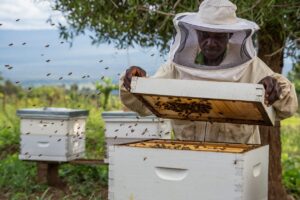
Whether you’re a smallholder farmer looking to diversify income, a new beekeeper researching your first hive purchase, or an experienced apiarist considering an upgrade. This guide explains what makes Langstroth hives different, how they perform in Kenyan conditions, and what you need to know before investing in one.
What Is a Langstroth Beehive?
The Langstroth beehive is a vertically-stacked hive system invented in 1851 by Reverend Lorenzo Langstroth, an American beekeeper who discovered the crucial principle of “bee space” which is the precise gap (approximately 6-9mm) that bees will not seal with propolis or fill with comb.
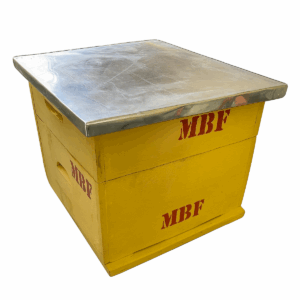
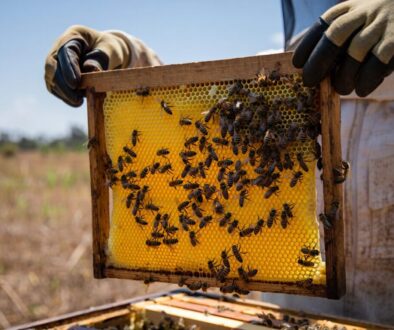
This discovery led to a revolutionary design: a hive with removable frames that hang vertically in rectangular boxes. Each frame can be lifted out for inspection without damaging the comb or disturbing the entire colony.
The basic Langstroth beehive consists of several key components:
- Bottom board: The hive’s base, providing ventilation and an entrance for bees
- Brood box (or brood chamber): A deep box where the queen lays eggs and young bees develop
- Frames: Removable wooden frames ( 10 per box) that hold foundation and support comb building
- Queen excluder: A wire or plastic mesh barrier that allows worker bees to pass but keeps the larger queen in the brood box
- Honey supers: Upper boxes where bees store surplus honey for harvest
- Inner and outer covers: Providing insulation and weather protection
The genius of this system lies in those removable frames. Unlike traditional hives where honey harvest means destroying the comb, Langstroth frames can be removed, honey extracted, and frames returned intact to the hive for reuse.
Advantages of Langstroth Hives in Kenya
Research and extension experience across East Africa have documented several advantages of Langstroth systems that are particularly relevant to Kenyan conditions:
Higher Honey Yields: A study in Kitui County found that Langstroth hives produced 30-35 kilograms per harvest, compared to 5-10 kilograms from traditional log hives. Research comparing hive types has shown that Langstroth systems can produce approximately 20% more honey than Kenya Top Bar Hives when managed properly.
Better Colony Inspection: The removable frames allow beekeepers to inspect brood patterns, identify diseases like European foul brood (a concern in some Kenyan regions), and monitor colony health without destroying comb. This is crucial for early intervention when problems arise.
Expandable Design: As colonies grow, you can add honey supers vertically. This modular approach means you’re not limited by the original hive size, important during strong nectar flows following rainy seasons.
Preserved Comb: Unlike crush-and-strain harvesting required with many traditional systems, Langstroth frames preserve the comb. Bees can refill the same comb in subsequent flows, saving the colony significant energy that would otherwise go into rebuilding wax comb.
Standardized Equipment: Langstroth dimensions are standardized globally, meaning frames, boxes, and other components from different suppliers are generally interchangeable. This makes replacement and expansion easier.
Langstroth Hive Components Explained
Understanding each component helps you maintain your hive effectively in Kenya’s varied climate conditions:
Bottom Board and Entrance
The bottom board serves as the hive floor and includes the entrance where bees come and go. In Kenya’s hotter regions, adequate ventilation through the bottom board helps bees regulate hive temperature. Some beekeepers use screened bottom boards to improve airflow and help with varroa mite monitoring, though mite pressure varies by region.
The entrance reducer, allows you to adjust entrance size. During establishment or in areas with wasp pressure, a smaller entrance is easier for bees to defend.
Brood Box
This deep box houses the colony’s heart: the queen and her developing brood. In Kenyan conditions, well-seasoned wood is essential. Pine is commonly used, but the wood must be properly dried to prevent warping under sun exposure and humidity changes.
Modern Bee Farmers supplies both standard pine Langstroth beehives and KTBH hives.
Frames and Foundation
Each Langstroth box holds 10 frames that hang vertically. Frames are 19 inches long and include a foundation bees wax embossed with a hexagonal pattern that guides comb building.
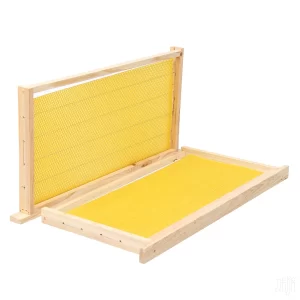
In Kenya, natural beeswax foundation is preferred by many beekeepers. Frames from our workshop all come pre-waxed, encouraging bees to draw out comb more readily. Proper frame spacing maintains the critical bee space that makes the Langstroth system work.
Queen Excluder
This mesh component prevents the queen from moving up into honey supers while allowing smaller worker bees to pass freely. The result: brood stays in the brood box, honey stays pure in the supers above.
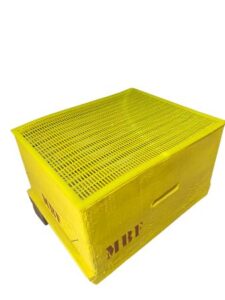
We recommend installing the queen excluder only after the colony is well-established and building actively, not during initial colonization. This gives the colony confidence in their new home.
Honey Supers
These shallower boxes (often 5 11/16 inches deep, though medium and deep supers also exist) sit above the queen excluder. Bees fill super frames with surplus honey. This will be your harvest.
The modular nature means you can add supers as needed. During Kenya’s main nectar flows, strong colonies may fill multiple supers.
Covers
The inner cover provides ventilation and insulation, while the outer cover (a telescoping metal-topped cover) protects against rain. In Kenya’s intense sun, a well-designed outer cover prevents the hive from overheating. We recommend beekeepers to add extra shade structures during hot, dry periods.
Langstroth Beehives in Kenya vs Kenya Top Bar Hive (KTBH)
Both systems work in Kenyan conditions, but they serve different needs. Here’s an evidence-based comparison:
Management and Harvesting
KTBH uses top bars instead of frames, and bees build natural comb hanging from these bars. Harvest requires cutting the comb out and crushing it to extract honey, the comb is destroyed in the process.
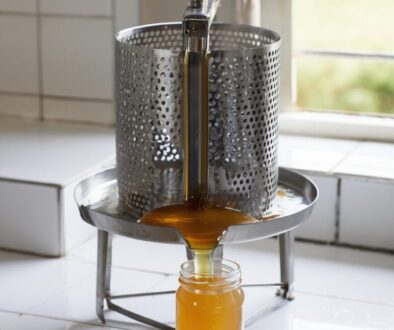
Langstroth harvesting preserves comb. With a centrifugal extractor (an additional investment), you spin honey out of uncapped frames and return them to the hive intact. Without an extractor, crush-and-strain is still possible, but this negates one of Langstroth’s key advantages.
Honey Production
Research comparing hive types found that KTBH systems produce approximately 20% less honey than Langstroth hives under similar management. However, KTBH produces significantly more beeswax (up to 6 times more in some studies), which can be valuable if you’re targeting wax products.
A Kitui County study documented Langstroth production at 30-35 kg per harvest, though it’s important to note that yields vary tremendously based on forage availability, rainfall patterns, and management practices.
Physical Labor
KTBH’s horizontal design means no heavy lifting, inspection involves removing top bars one at a time. Langstroth supers, when full of honey, can weigh 20-30 kilograms or more, requiring physical strength to lift.
Expansion and Standardization
Langstroth’s modular design and standardized dimensions make expansion straightforward. KTBH is fixed in size from the start, though some designs allow limited expansion.
When to Choose Each
Choose KTBH if:
- Budget is very limited
- You’re working alone and concerned about heavy lifting
- You plan to sell beeswax products alongside honey
Choose Langstroth if:
- You’re planning to scale beyond a few hives
- You want to preserve comb for repeated harvests
- You need detailed colony inspection capabilities
- You can invest in or access a honey extractor
Setting Up a Langstroth Hives in Kenya
Proper hive placement significantly impacts colony success:
Location Selection
Choose sites with:
- Nectar and pollen sources: Within 2-3 kilometers of flowering plants. In agricultural areas, crops like sunflower, citrus, and coffee provide flows. Natural vegetation including Acacia, Eucalyptus, and Croton species support foraging.
- Morning sun, afternoon shade: Bees benefit from early sun to begin foraging, but excessive afternoon heat stresses colonies. Partial shade from trees helps, though avoid dense canopy that blocks all sun.
- Wind protection: Strong winds stress colonies and reduce foraging. Natural windbreaks or strategically placed structures help.
- Water access: Bees need water within reasonable flight distance (under 500 meters ideally). If none exists naturally, provide a shallow water source with floating sticks for safe landing.
Hive Stands
Beehive stands (available from MBF at KSh 1,500) elevate hives approximately 0.5-1 meter above ground. This critical component:
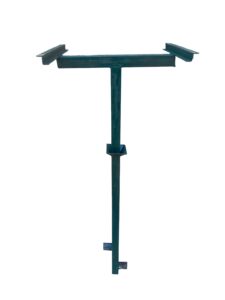
- Prevents moisture wicking from soil into the hive bottom
- Deters driver ants and other ground-dwelling pests (applying grease or oil to stand legs adds another barrier)
- Improves air circulation around and under the hive
- Makes inspection more comfortable for the beekeeper
Never place Langstroth hives directly on the ground, moisture and pest issues typically follow.
Attracting Bees
The catcher box (available at KSh 1,850) helps capture swarms. Place it in trees or high locations where scout bees might discover it. Rub the inside with beeswax or propolis to make it attractive.
When a swarm occupies a catcher box, carefully transfer frames into your prepared Langstroth hive. This method works better than trying to capture airborne swarms.
We have also recommended our beekeepers to also attract bees by:
- Rubbing hive entrances with lemongrass oil
- Positioning hives near known bee flight paths
Common Mistakes Beginners Make With Langstroth Hives
Avoid these widely-reported issues:
Poor Hive Placement: Placing hives in full sun all day, in flooded areas during rains, or in locations with inadequate forage leads to absconding and poor performance.
Irregular Inspections: New beekeepers often inspect too frequently (disturbing colonies unnecessarily) or too rarely (missing disease, pest, or swarming signs). A reasonable schedule is every 10-14 days during active seasons, monthly during slower periods.
Ignoring Pest Management: Driver ants, small hive beetles, and wax moths all threaten colonies. Regular monitoring and prompt action (removing affected frames, using appropriate traps, maintaining strong colonies) prevents losses.
Harvesting Too Early: Honey must be properly capped (at least 75-80% of the frame) before harvest. Uncapped honey has high water content and will ferment. Patient beekeepers get quality honey that commands better prices.
Inadequate Protective Equipment: Working Langstroth hives without proper protection leads to stings, which decreases confidence and makes thorough inspections less likely.
Expected Honey Yield From Langstroth Hives in Kenya
Honey production varies tremendously based on multiple factors, and specific yield guarantees would be misleading. However, research provides some context:
A 2017 study published in Apidologie examining 91 Kenyan beekeepers found an average honey production of 4.4 kilograms per hive, though this included various hive types and management levels. The Kitui County study mentioned earlier documented 30-35 kg per harvest from well-managed Langstroth hives in favorable conditions.
Factors affecting your actual yield:
- Forage availability: Diverse flowering plants provide nectar and pollen. Agricultural monocultures may offer brief intense flows but limited year-round foraging
- Rainfall and season: Nectar flows typically follow rains when plants flower abundantly. Drought years reduce production significantly
- Colony strength: Well-populated colonies with good genetics produce more. Weak colonies or recent swarms need time to build up
- Management practices: Regular feeding during dearth periods, prompt disease treatment, and proper timing of super addition all impact yields
- Pest and disease control: Unchecked pest pressure reduces productivity and can destroy colonies entirely
Rather than focusing on specific kilogram targets, new beekeepers should prioritize colony health, proper hive management, and gradual learning. Yields typically improve over several seasons as both beekeeper skills and colony strength develop.
Essential Equipment for Langstroth Beekeeping
Beyond the hive itself, successful Langstroth beekeeping requires several tools:
Protective Gear:
- Full bee suits with veils provide head-to-toe protection
- Quality gloves protect hands during inspections
- These are non-negotiable safety equipment—African bees can be defensive

Smoker: Cool smoke calms bees during inspections by triggering feeding behavior that reduces defensive responses. Fuel options include dry grass or dry wood shavings.
Hive Tool: This flat metal tool with beveled edges pries apart boxes (propolis seals them together) and lifts frames. You’ll use it during every inspection.
Feeders: During nectar dearth or when establishing new colonies, sugar syrup feeding maintains colony strength. Various feeder designs exist; choose one that prevents drowning and limits robbing.
Honey Extraction Equipment: For efficient harvest:
- Uncapping knife (heated or cold) removes wax cappings from frames
- Centrifugal honey extractor spins honey from uncapped frames
- Strainers and settling tanks remove wax particles before bottling
Frame and Foundation Supplies: Replacement frames and foundation sheets for expansion and renewal as comb ages.
Where to Buy Langstroth Hives in Kenya
Modern Bee Farmers supplies both pine and fir wood Langstroth beehives, along with essential accessories including beehive stands and catcher boxes. Based in Nairobi, we have served beekeepers across Kenya with a product range covering hive systems, protective equipment, harvesting tools, and processing supplies.
Call Us: 0743 881 359
WhatsApp: 0743 881 359