As Kenyan consumers become more health-conscious, interest in organic products has surged. Organic honey tops the list of sought-after natural foods, but many shoppers struggle with a basic question: what makes honey truly “organic” in Kenya, and where can you find authentic products?
The confusion is understandable. Walk into any market or supermarket, and you’ll find countless honey bottles labeled “pure,” “natural,” or “organic.” Yet these terms aren’t always used accurately, and genuine organic certification remains rare in Kenya’s honey sector. This guide cuts through the marketing noise to explain what organic honey actually means, how it’s certified, and where to buy trustworthy products.
What Counts as “Organic Honey” in Kenya?
Organic honey refers to honey produced without synthetic pesticides, chemical treatments, or artificial feeds for bees. The bees must forage in areas free from agricultural chemicals, and beekeepers must follow natural hive management practices without using antibiotics or synthetic medications.
However, achieving true organic status for honey presents unique challenges in Kenya. Honeybees naturally forage across a radius of 2 to 5 kilometers from their hives. This means beekeepers cannot fully control where their bees collect nectar. Even if a beekeeper maintains organic practices, bees may visit neighboring farms that use pesticides or chemical fertilizers.
In Kenya, honey standards are governed by the Kenya Bureau of Standards (KEBS), with specific requirements outlined in the Honey Specification (KS EAS 36:2020). For organic certification, producers must comply with additional standards, primarily the East African Organic Products Standard (EAOPS). The standard is intended for the development of organic production and trade in the East African region
The Kilimohai Organic mark, endorsed by KEBS and based on EAOPS, serves as the regional certification for organic produce in East Africa. Organizations like the Kenya Organic Agriculture Network (KOAN) coordinate the organic agriculture sector and provide certification support.
How Organic Honey Is Certified in Kenya
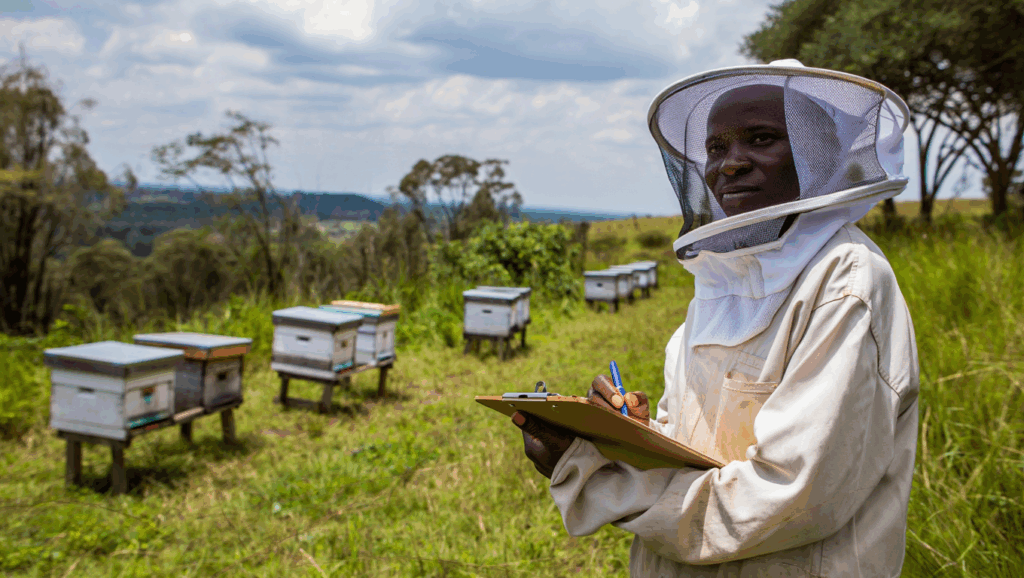
Obtaining organic certification for honey in Kenya involves a rigorous process managed by accredited certifying bodies.
The certification process typically includes:
Documentation and Record-Keeping: Beekeepers must maintain detailed records of hive locations, management practices, harvest dates, and processing methods.
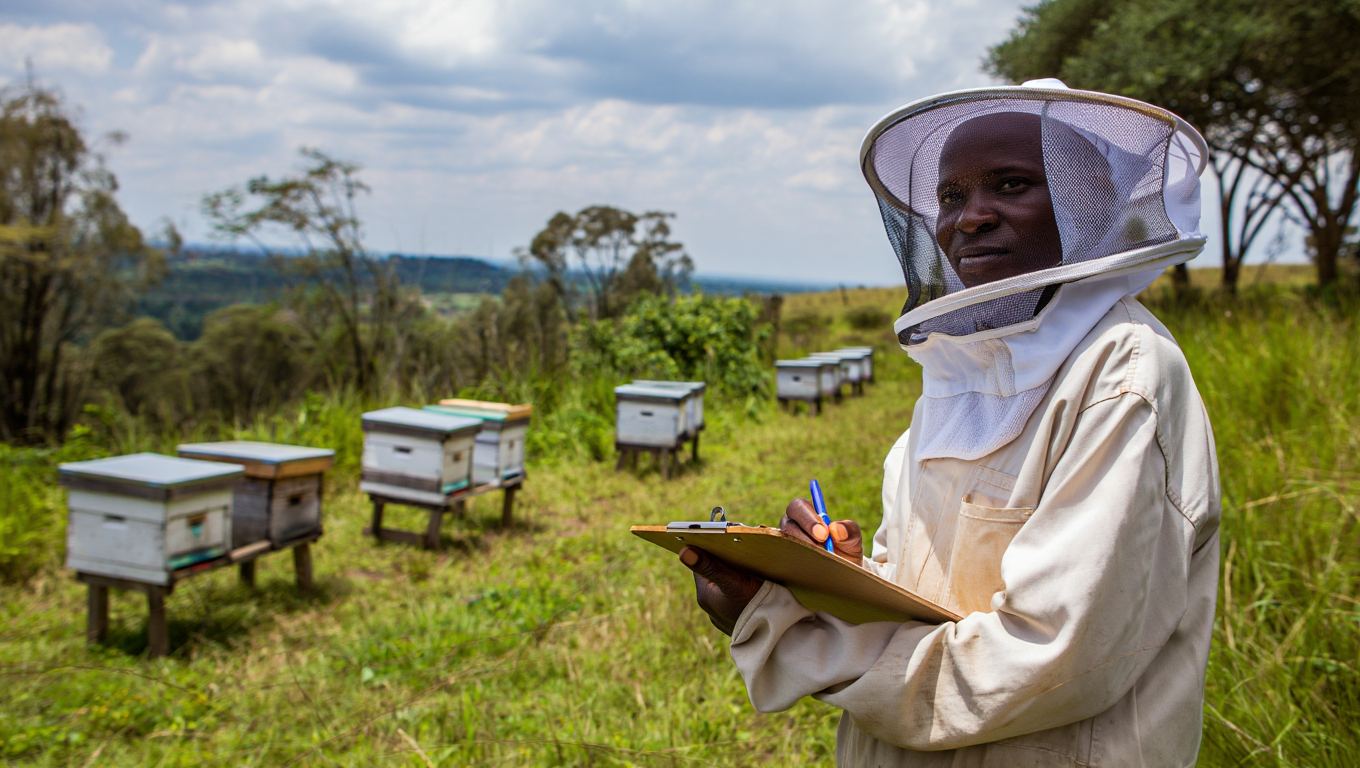
Apiary Location Assessment: Inspectors evaluate the surrounding environment within the bees’ foraging range to ensure minimal contamination from conventional agriculture or industrial activities.
Forage Source Evaluation: Certifiers assess the vegetation and floral sources available to bees, confirming they’re free from prohibited substances.
Hive Management Standards: Beekeepers must demonstrate they use natural hive materials, avoid synthetic medications, and follow organic pest and disease management protocols.
Product Testing: Honey samples undergo laboratory analysis to check for adulterants, chemical residues, moisture content, and other quality parameters that must meet KEBS specifications.
Annual Inspections: Certification requires regular renewal with annual farm inspections to ensure continued compliance.
The certification process can be challenging for small-scale farmers, which is why many are encouraged to work in groups. Very few Kenyan honey producers have achieved full organic certification, making certified organic honey in Kenya relatively scarce in the market.
Is All Raw Honey Automatically Organic? (No.)
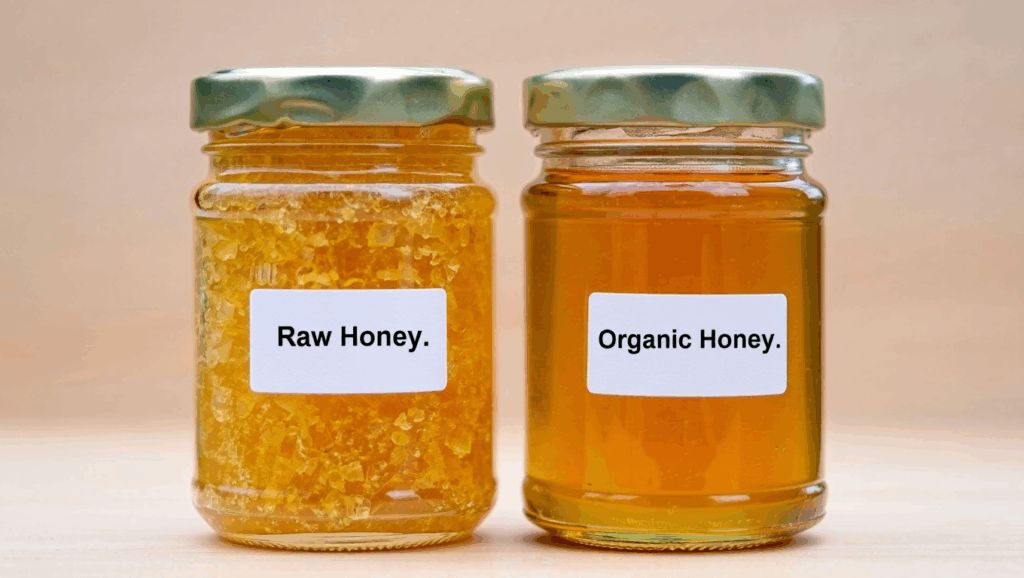
This is perhaps the most common misconception about honey in Kenya. Raw honey and organic honey are not the same thing.
Raw honey means honey that hasn’t been heated above natural hive temperatures (around 35-37°C) or filtered to remove pollen and beneficial enzymes. It’s minimally processed and may crystallize naturally. Raw honey can come from bees that foraged on chemically treated crops.
Organic honey means the production process followed organic standards, no synthetic inputs, certified organic forage areas, and verified natural beekeeping practices. Organic honey may be raw, but it can also be processed, depending on how it’s handled after harvest.
Most honey sold in Kenya is raw or minimally processed, but this doesn’t automatically make it organic. True organic honey requires certification from recognized bodies that verify compliance with organic standards.
Benefits of Organic Kenyan Honey
When discussing organic honey benefits, it’s essential to stick to facts and avoid unverified health claims.
Minimal Processing: Organic honey in Kenya is typically processed minimally to preserve its natural enzymes, pollen, and beneficial compounds. Unlike commercially processed honey, it’s not overheated or ultra-filtered.
Free from Common Adulterants: Certified organic honey undergoes testing to ensure it’s not mixed with sugar syrups, corn syrup, or other additives that sometimes appear in conventional honey products.
Low-Intervention Production: Organic beekeeping emphasizes natural hive management, meaning bees aren’t routinely treated with synthetic antibiotics or chemicals that could leave residues in honey.
Enzyme and Pollen Content: Because organic honey in Kenya is generally not overheated during processing, it typically retains higher levels of natural enzymes and pollen, which are diminished by high-temperature processing.
Support for Sustainable Beekeeping: Purchasing certified organic honey supports beekeepers who maintain environmentally conscious practices and protect bee populations.
It’s worth noting that while honey contains antioxidants and has antimicrobial properties, consumers should avoid honey marketed with specific medical cure claims.
How to Identify Genuine Organic Honey in Kenya
Without laboratory testing, it’s challenging to definitively identify organic honey. However, these practical indicators can help:
Source Transparency: Reliable suppliers should clearly identify where their honey comes from and whether they work directly with beekeepers. Be cautious of brands that provide no sourcing information.
Certification Labels: Look for recognized organic certification marks or international certifications. Genuine certifications include verifiable certification numbers.
Moisture Content: Quality honey has moisture content below 20%. Organic honey from reputable producers is properly stored and handled to maintain quality.
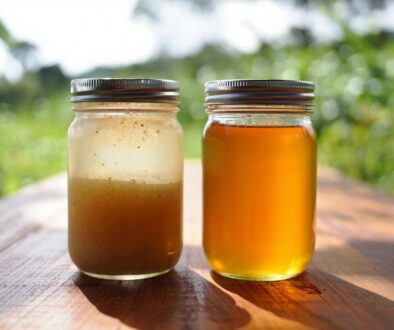
Natural Variations: Authentic raw organic honey varies in color, aroma, and texture depending on the floral sources and season. Ultra-clear, uniformly colored honey may have been heavily processed or filtered.
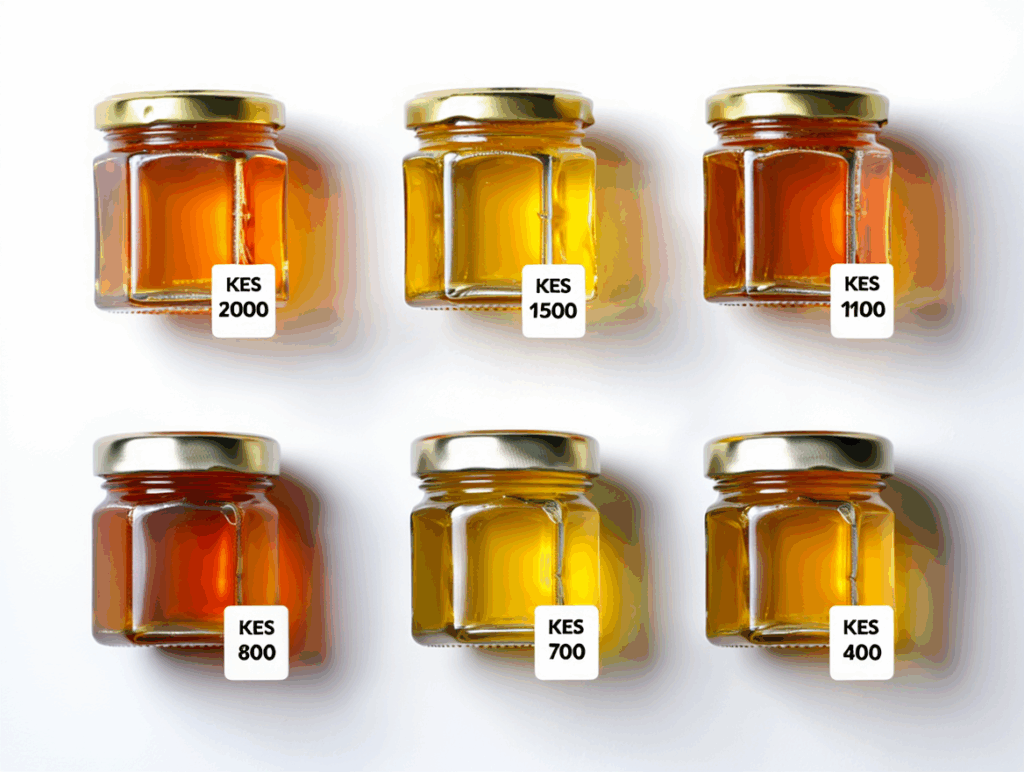
Crystallization: Natural honey crystallizes over time, especially in cooler temperatures. This is normal and actually indicates minimal processing. Honey that never crystallizes may contain additives.
Avoid Artificially Flavored Products: Genuine organic honey shouldn’t contain added flavors, colors, or artificial ingredients.
At Modern Bee Farmers, we source raw honey directly from beekeepers across Kenya. While we maintain strict quality standards and work with beekeepers who follow natural practices, we’re transparent about our product’s characteristics and sourcing.
Why Organic Honey in Kenya Is More Expensive
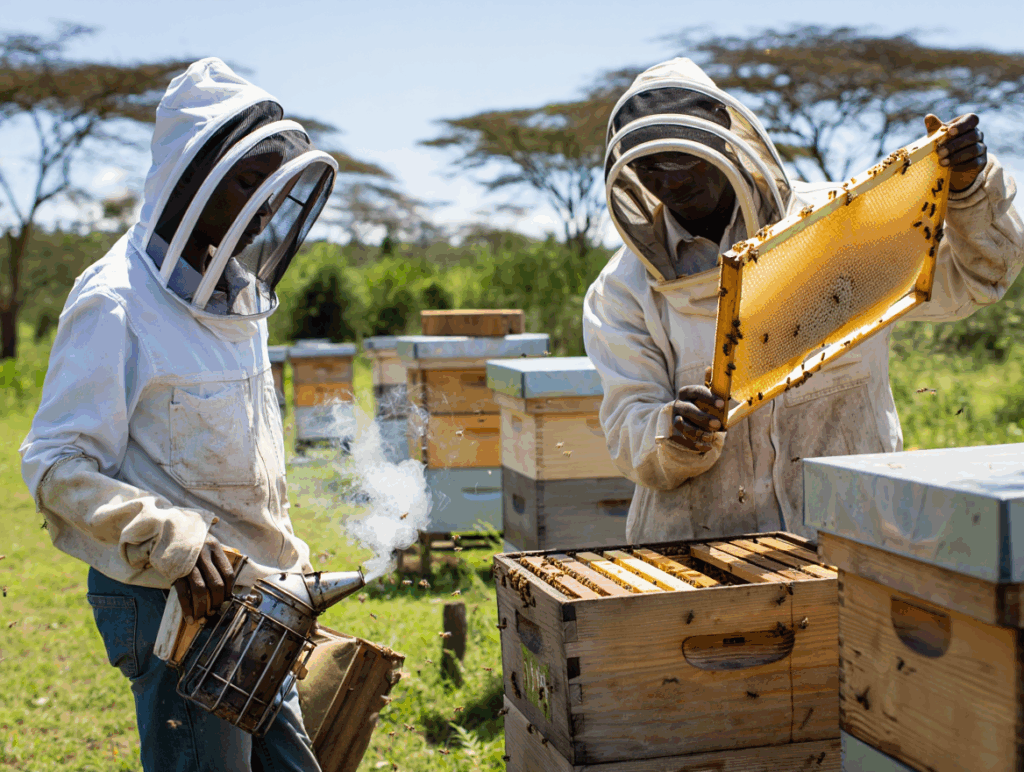
If you’ve noticed that certified organic honey costs significantly more than regular honey, there are legitimate reasons:
Limited Supply: Few Kenyan beekeepers have achieved organic certification due to the strict requirements and inspection costs. Scarcity drives prices higher.
Certification Overhead: The process of obtaining and maintaining organic certification involves inspection fees, testing costs, and administrative expenses that producers pass on to consumers.
Lower Yields: Organic beekeepers cannot use certain interventions that conventional beekeepers might employ to maximize honey production, sometimes resulting in smaller harvests.
Quality Assurance: Certified organic honey undergoes additional testing and quality checks beyond standard honey, adding to production costs.
Retail prices for natural honey in Kenya generally range from KES 900 to KES 4,078 per kilogram, with certified organic varieties typically priced at the higher end of this range. While prices vary based on factors like season, floral source, and seller, consumers should be prepared to pay a premium for genuine certified organic honey.
Where to Buy Real Organic Honey in Kenya
Finding trustworthy sources for quality honey in Kenya requires careful selection. Modern Bee Farmers is a trusted supplier of pure, raw honey sourced directly from Kenyan beekeepers across the country.
While our honey follows natural, low-intervention production methods and comes from rural areas with minimal agricultural chemicals, we maintain transparency: our products are pure raw honey rather than certified organic. We believe in honest labeling and letting consumers make informed decisions.
Our Current Honey Products:
- 1KG Organic Kenyan Honey – A full kilogram of pure, raw honey perfect for families who use honey regularly in cooking, baking, or as a natural sweetener.
- 850g Organic Kenyan Honey – An excellent mid-size option balancing quantity and convenience for regular household use.
- 500g Organic Kenyan Honey – Ideal for individuals or smaller households wanting to experience authentic Kenyan honey.
All Modern Bee Farmers honey is:
- 100% pure with no additives or preservatives
- Raw and minimally processed to preserve natural enzymes
- Sourced from trusted Kenyan beekeepers
- Packed carefully to maintain quality
- Available for nationwide delivery
How to Order:
You can order directly through our website at www.modernbeefarmers.co.ke or call us at 0743881359 to discuss your order and arrange delivery. We deliver nationwide across Kenya.
Whether you choose our raw honey or seek certified organic options, we’re here to answer questions and help you find quality products that meet your needs.
Contact Modern Bee Farmers
Phone: 0743881359
Email: support@modernbeefarmers.co.ke
Website: www.modernbeefarmers.co.ke
For orders, inquiries, or more information about our honey products and beekeeping equipment, reach out today. We’re passionate about supporting Kenyan beekeepers and bringing quality honey to your table.