
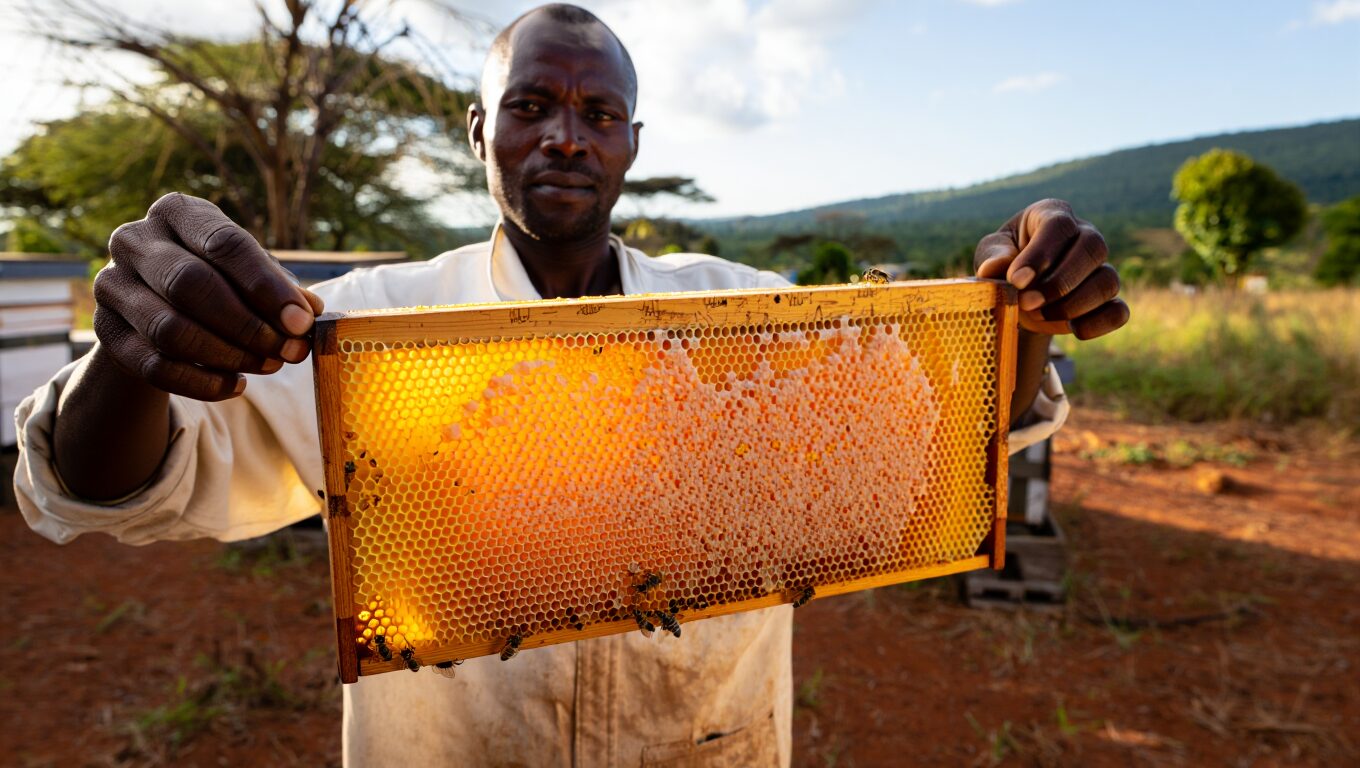
Types of beehives in Kenya vary significantly in cost, honey yield, and management requirements. This comprehensive guide compares Kenya Top Bar Hive (KTBH), Langstroth, and traditional beehives to help you choose the right option for your beekeeping venture in 2026. Based on 18 years of experience supplying beekeeping equipment across Kenya.
Complete Beehive Comparison Guide for Kenya 2026
Expert comparison of all hive types used in Kenya
Based on 18 Years Experience (Since 2007) | 500+ InstallationsData Sources: All honey yield, harvest frequency, and performance metrics are based on verified research from Kenya Agricultural and Livestock Research Organization (KALRO), FAO studies, and published beekeeping research in Kenya and East Africa. Prices reflect current 2026 market rates from Modern Bee Farmers.
Which Beehive is Right for You?
Budget
How much can you invest?
- KES 4,950: Langstroth
- KES 5,500: KTBH
- KES 500-2,500: Traditional (Log/Clay)
Scale
What is your goal?
- Hobby: KTBH or Traditional
- Small Business: KTBH
- Commercial: Langstroth
Skill Level
Experience matters
- Beginner: KTBH
- Intermediate: KTBH or Langstroth
- Advanced: Langstroth
Detailed Hive Comparisons
Kenya Top Bar Hive (KTBH)
Modern – Beginner-Friendly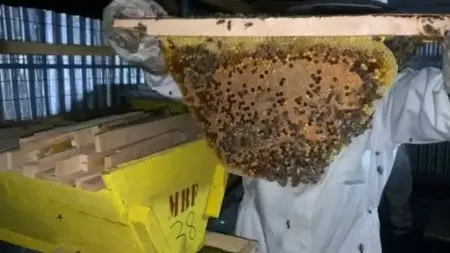
KES 5,500 Initial Cost
15-18 kg Honey/Year
1-2x Harvests/Year
30 min Inspection Time
High Beeswax Yield
Skill Level Required
Beginner-Friendly
Best For: Beginners, small-scale honey production, beeswax sales
Advantages
- Affordable
- Available locally
- Simple to manage
- No foundation needed
- High beeswax production
Disadvantages
- Combs can break easily
- Hard to transport
- Bees crushed during inspection
- Lower honey yield
Langstroth Beehive
Modern – Commercial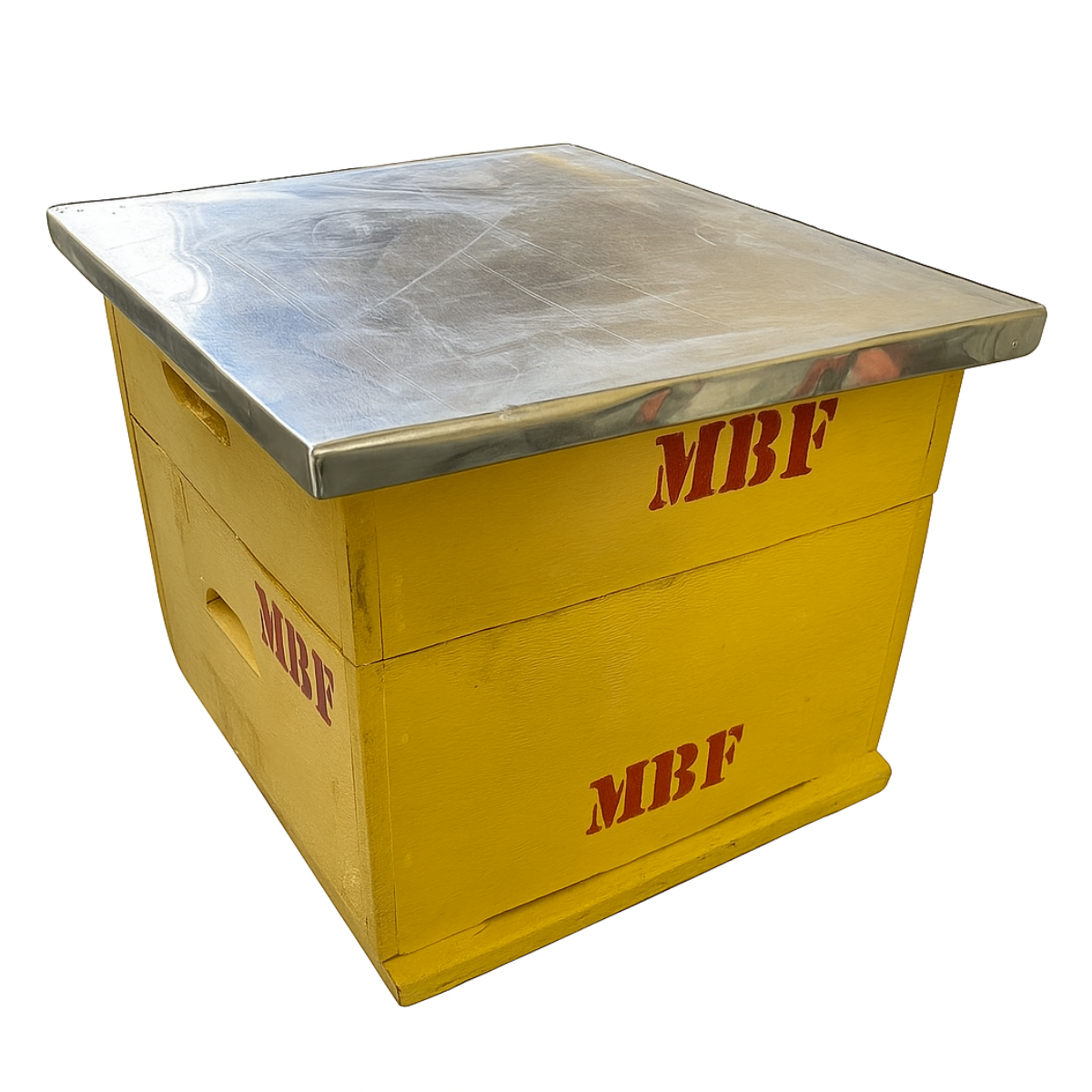
KES 4,950 Initial Cost
20-30 kg Honey/Year
1-3x Harvests/Year
45 min Inspection Time
Low Beeswax Yield
Skill Level Required
Intermediate-Advanced
Best For: Commercial production, maximizing honey yield, transportable hives
Advantages
- Highest honey yield
- Reusable frames
- Easy to transport
- Expandable (supers)
- Industry standard
- Zero stress on bees
- Bees rebuild combs faster
Disadvantages
- Higher equipment cost
- Requires extractor
- More complex setup
- Precise measurements needed
Log Hive (Traditional)
Traditional – Not Available from MBF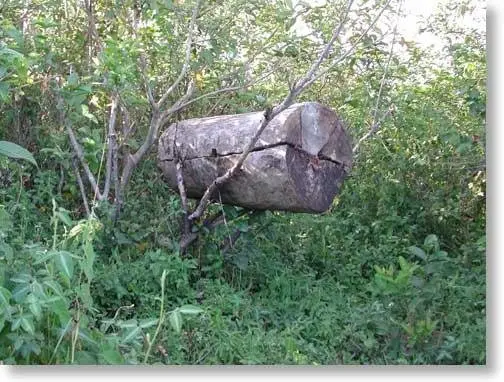
KES 1,000 – 2,500 Market Price
7-12 kg Honey/Harvest
1-2x Harvests/Year
15 min Inspection Time
Medium Beeswax Yield
Skill Level Required
Very Basic
Best For: Traditional beekeepers, very low budget, rural areas
Advantages
- Low cost
- Very durable
- Culturally familiar
- Locally available
Disadvantages
- Very low honey yield
- Destructive harvesting
- Hard to inspect
- Difficult to manage
- Colony often absconds
Clay Pot Hive (Traditional)
Traditional – Not Available from MBF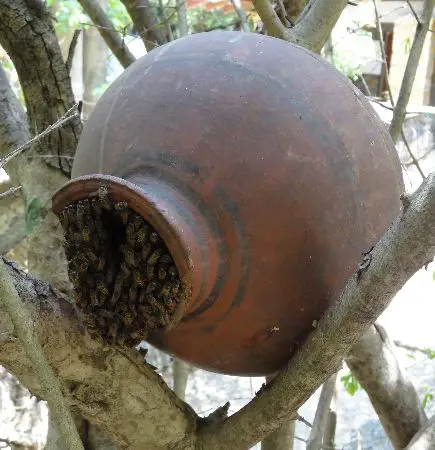
KES 500 – 1,500 Market Price
5-10 kg Honey/Harvest
1-2x Harvests/Year
10 min Inspection Time
Low Beeswax Yield
Skill Level Required
Very Basic
Best For: Cultural preservation, minimal investment, Western Kenya regions
Advantages
- Lowest cost
- Decent durability
- Natural insulation
- Traditional design
Disadvantages
- Lowest honey yield
- Ant invasions common
- Difficult to manage
- Destructive harvesting
- Limited availability
- Can crack easily
When comparing different types of beehives in Kenya, consider the total 5-year cost of ownership, not just the initial purchase price. Our analysis includes equipment costs and projected honey yields based on verified data from 10-hive commercial setups. Langstroth frames are reusable, keeping combs intact for faster honey production.
Side-by-Side Detailed Comparison
| Feature | KTBH | Langstroth | Log Hive | Clay Pot |
|---|---|---|---|---|
| Initial Cost (KES) | 5,500 | 4,950 | 1,000 – 2,500 | 500 – 1,500 |
| Annual Honey Yield | 15-18 kg | 20-30 kg | 7-12 kg/harvest | 5-10 kg/harvest |
| Harvests per Year | 1-2 times | 1-3 times | 1-2 times | 1-2 times |
| Lifespan | 10+ years | 10-15+ years | 5-10 years | 3-8 years |
| Transportability | ||||
| Ease of Management | ||||
| Beeswax Production | High (1.5-3 kg/yr) | Low (0.3-0.8 kg/yr) | Medium (0.5-1.5 kg/yr) | Low (0.2-0.5 kg/yr) |
| Equipment Needed | Minimal (smoker, knife) | Extensive (extractor, etc) | Very minimal | Very minimal |
| Reusable Frames/Combs | No (combs cut each harvest) | Yes (frames reused indefinitely) | No (destructive harvest) | No (destructive harvest) |
| Best Climate | All Kenya regions | All Kenya regions | Dry regions | Western Kenya |
| Recommended For | Beginners, small-scale | Commercial, serious | Traditional, hobby | Cultural, minimal budget |
5-Year Total Cost of Ownership Analysis (10 Hives)
Including initial setup, equipment, maintenance, and foundation wax (where applicable). Based on 10-hive commercial setup.
Cost Breakdown Analysis (10 Hives Over 5 Years):
KTBH (KES 106,000)
- 10 hives: KES 55,000
- Stands: KES 18,500
- Safety gear: KES 7,600
- Honey press: KES 15,000
- 5-year maintenance: KES 10,000
Expected yield: 150-180 kg/year
Langstroth (KES 114,100)
- 10 hives: KES 49,500
- Stands: KES 18,500
- Safety gear: KES 7,600
- Extractor & tools: KES 38,500
Expected yield: 200-300 kg/year
Key Insight:
While Langstroth has higher upfront costs (KES 114,100 for 10 hives over 5 years), its superior honey yield (200-300 kg/year) generates KES 140,000-210,000 annual revenue at KES 700/kg. The reusable frames mean combs stay intact after extraction, allowing bees to fill honey faster on subsequent harvests. The investment pays for itself within 12-18 months. KTBH costs KES 106,000 for 10 hives but yields 150-180 kg/year. Source: Modern Bee Farmers operational data, 2026.
Frequently Asked Questions About Types of Beehives in Kenya
What are the main types of beehives in Kenya?
The main types of beehives in Kenya are Kenya Top Bar Hive (KTBH) at KES 5,500, Langstroth beehive at KES 4,950, traditional log hives (KES 1,000-2,500), and clay pot hives (KES 500-1,500). Each type serves different purposes based on budget, scale, and experience level.
Which type of beehive is best for beginners in Kenya?
Kenya Top Bar Hive (KTBH) is the best type of beehive for beginners. It requires minimal equipment, no foundation wax, and is simple to manage while producing 15-18 kg of honey annually per hive with high beeswax yield.
How much does it cost to start beekeeping with 10 hives?
For 10 hives in Kenya: Langstroth costs KES 114,100 total (5 years) and yields 200-300 kg/year. KTBH costs KES 106,000 total (5 years) and yields 150-180 kg/year. Both include all necessary equipment, stands, safety gear, and extraction tools.
Which type of beehive produces the most honey?
Langstroth beehives produce the most honey in Kenya: 20-30 kg per hive annually, compared to KTBH at 15-18 kg/year. For 10 hives, Langstroth yields 200-300 kg/year, generating KES 140,000-210,000 revenue at KES 700/kg.
How many times can you harvest honey per year in Kenya?
Honey harvest frequency depends on beehive type: Langstroth allows 1-3 harvests per year, KTBH allows 1-2 harvests per year, and traditional log and clay pot hives allow 1-2 harvests annually. Actual frequency depends on location, nectar flow, and hive management.


