Kenya’s appetite for organic honey continues to surge as health-conscious consumers and enterprising beekeepers recognize the golden opportunity in apiculture. Whether you’re a seasoned beekeeper evaluating profit margins or a buyer seeking authentic Kenyan honey, understanding current pricing dynamics is essential. Modern Bee Farmers, Kenya’s trusted partner in beekeeping excellence, brings you this comprehensive guide to honey prices in Kenya, the factors driving costs, and smart strategies for maximizing value in 2025.
Current Honey Prices in Kenya (2026)
The honey price in Kenya varies significantly based on quality, source, and market positioning. As of 2025, retail prices for premium organic honey typically range from KSh 1,000 per kilogram to KSh 1,400 per kilogram, while 500-gram jars retail between KSh 500 and KSh 800. These figures reflect authenticated, pure honey from reputable producers like Modern Bee Farmers.
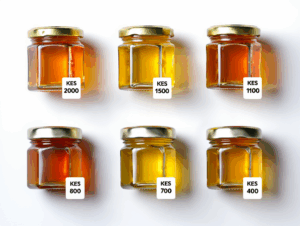
Wholesale prices for beekeepers selling in bulk generally fall between KSh 700 and KSh 900 per kilogram, depending on volume and buyer relationships.
Regional pricing variations are notable across Kenya:
- Nairobi and urban centers: Premium organic honey commands top prices due to concentrated demand from health-conscious middle-class consumers.
- Rift Valley regions: Known for abundant floral diversity, this area produces high-volume honey with competitive pricing around KSh 800–KSh 1,000 per kilogram wholesale.
- Eastern Kenya: Traditional beekeeping regions offer honey at slightly lower rates, typically KSh 600–KSh 900 per kilogram, though quality can vary widely.
The price difference between organic and commercial honey stems from certification costs, sustainable harvesting practices, and rigorous quality control. Certified organic Kenyan honey carries premium value because it guarantees no chemical treatments, natural hive management, and traceability from hive to jar.
Key Factors Influencing Honey Price in Kenya
Multiple interconnected factors determine what you’ll pay or earn from honey sales in Kenya’s dynamic market.
Hive type and production method play a crucial role. Modern Langstroth beehives such as this one
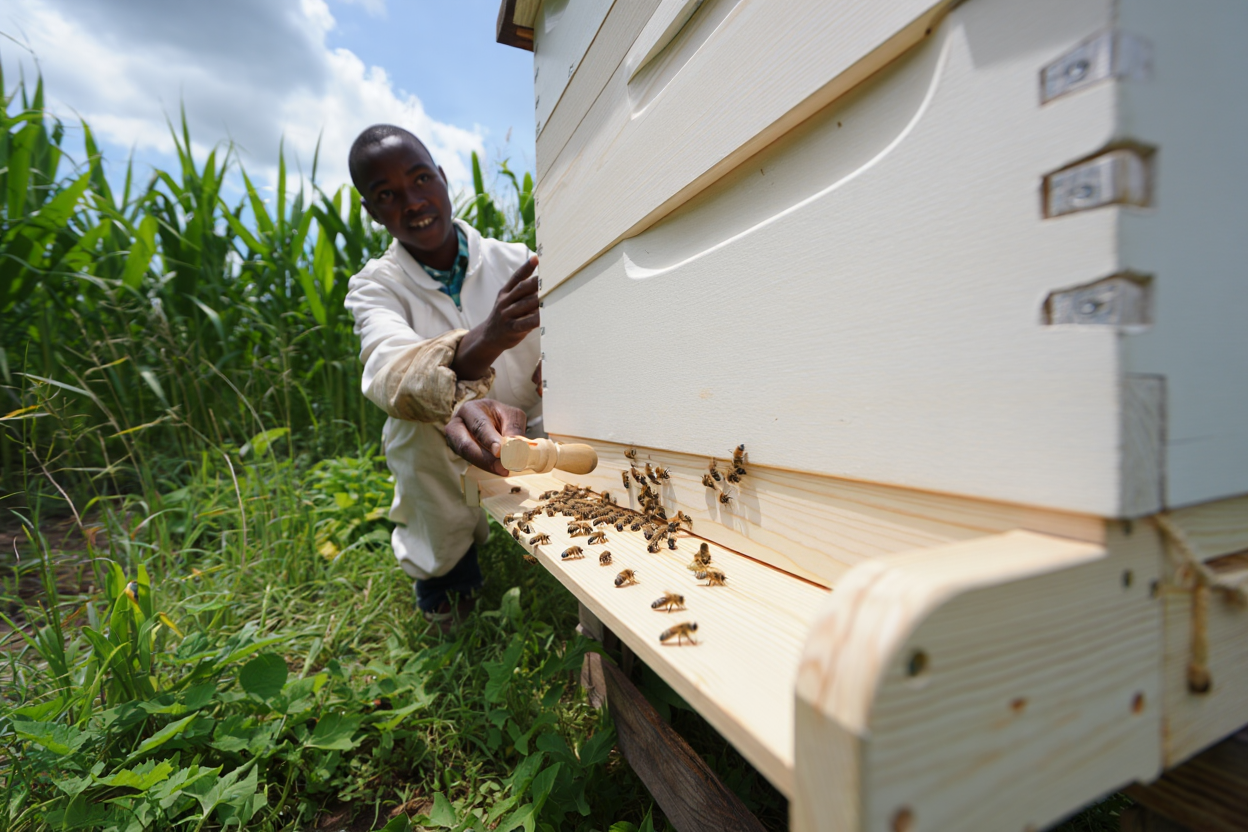
which facilitate easier honey extraction and higher yields, typically produce honey that commands better prices due to cleaner harvesting and professional presentation. Top Bar hives offer a middle ground, while traditional log hives, though culturally significant, often produce honey with more impurities that may fetch lower market prices.
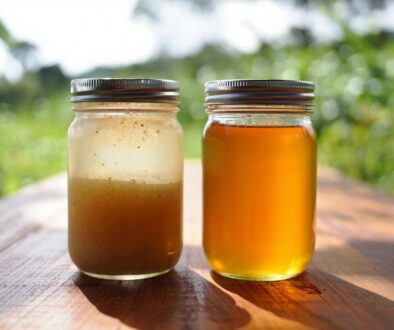
Harvest season and moisture content directly impact quality and pricing. Kenya experiences two main honey flows: the long rains harvest (April–June) and short rains harvest (October–December). Honey harvested during peak nectar flows with proper moisture content below 20% using tools like refractometers commands premium prices. Poorly timed harvests or inadequately processed honey with high moisture content risks fermentation and price devaluation.
Packaging and quality certification separate premium products from commodity honey. KEBS (Kenya Bureau of Standards) certification, organic labels, and professional packaging in food-grade containers significantly elevate perceived and actual value. Modern Bee Farmers ensures all honey meets stringent quality standards, reflected in competitive yet fair pricing.
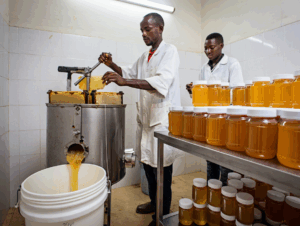
Supply chain costs include transportation from rural apiaries to urban markets, proper storage in temperature-controlled facilities, processing through honey extractors and settling tanks, and retail distribution margins. These cumulative costs typically add 30–50% to the farm-gate price by the time honey reaches your hands
Beekeeping Economics & Profit Margins in Kenya
Understanding the financial equation helps both producers and buyers appreciate honey pricing structures.
A well-managed Langstroth hive in favorable Kenyan conditions can produce 15–30 kilograms of honey annually, though exceptional hives may yield up to 40 kilograms. Traditional hives typically yield 5–10 kilograms per year. At current wholesale prices of KSh 800 per kilogram, a single productive modern hive generates KSh 12,000–KSh 24,000 in annual honey revenue.
For small-scale beekeepers managing 5–10 hives, this translates to potential annual income of KSh 60,000–KSh 240,000, minus operational costs. Large-scale commercial operations with 50+ hives can generate substantial revenues exceeding KSh 1 million annually when properly managed.
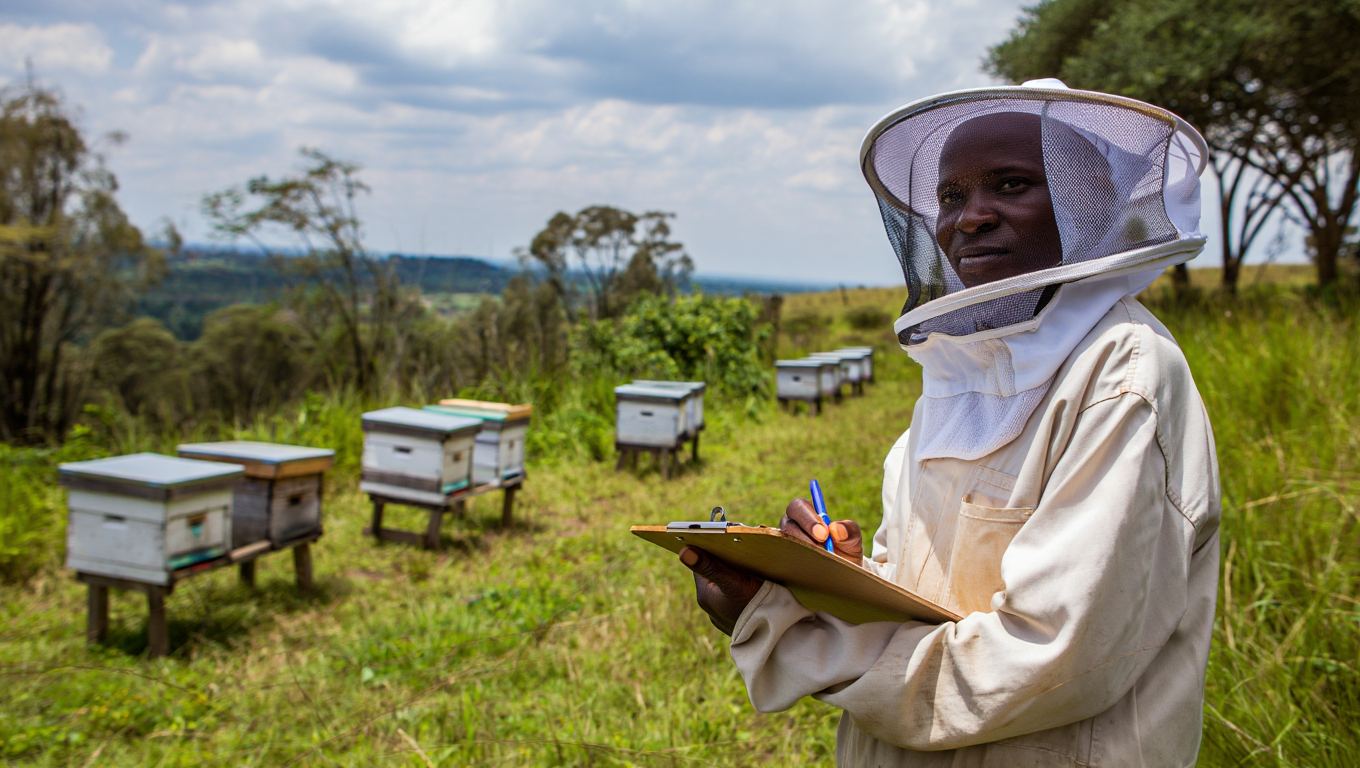
Initial investment considerations include quality beehives (Langstroth hives from Modern Bee Farmers start at competitive rates), protective gear essential for safe honey harvesting, extraction equipment including honey presses and settling tanks for processing, and ongoing costs for hive maintenance and swarm management.
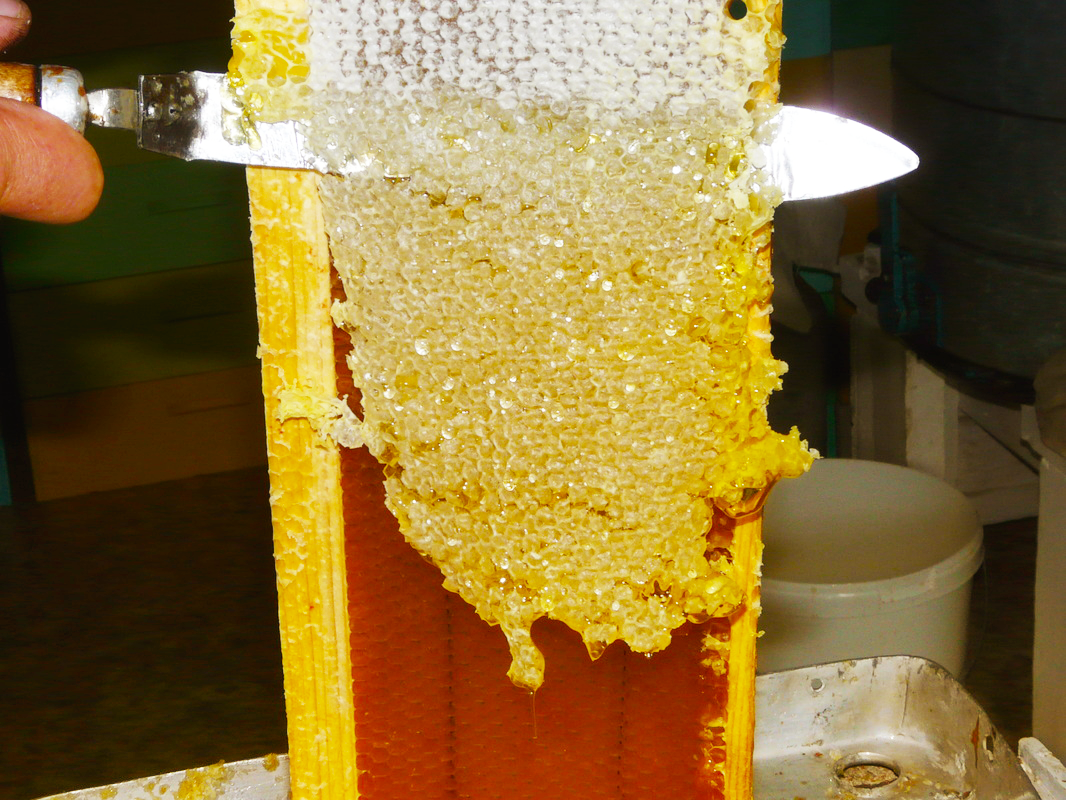
Modern Bee Farmers equips Kenyan beekeepers with professional-grade tools that maximize both yield and honey quality. From stainless steel honey extractors that preserve honey integrity to precision refractometers ensuring optimal moisture content, investing in proper equipment directly impacts your bottom line and the honey price you can command.
How to Get the Best Value as a Producer or Buyer
Smart strategies help producers maximize returns while ensuring buyers receive genuine value.
For beekeepers and honey producers:
- Invest in quality equipment: Using proper honey extractors, settling tanks, and storage containers preserves honey quality and commands premium prices.
- Obtain certifications: KEBS approval and organic certification open doors to high-value markets willing to pay premium rates.
- Build direct market relationships: Selling directly to health stores, hotels, and export buyers eliminates middlemen and improves margins.
- Focus on quality over quantity: Pure, well-processed honey at KSh 1,000 per kilogram generates better returns than larger volumes of lower-grade honey at KSh 600.
For honey buyers:
- Purchase directly from trusted suppliers: Modern Bee Farmers offers transparent pricing on premium Kenyan honey with full traceability and quality assurance.
- Buy in bulk for better rates: Wholesale purchases for retail shops, hospitality businesses, or personal use provide significant savings.
- Verify authenticity: Request quality certificates and test reports; genuine organic honey justifies its premium price through superior taste, nutritional value, and ethical production.
- Support local beekeepers: Buying Kenyan honey sustains rural livelihoods and promotes environmental conservation through pollination services.
Modern Bee Farmers maintains consistent quality standards across their honey inventory while offering competitive rates that fairly compensate beekeepers. Explore our range of premium Kenyan honey, professional Langstroth beehives, essential harvesting tools, and protective beekeeping suits designed for Kenyan conditions.
2026 Outlook: Market Trends & Opportunities
he Kenyan honey market presents exciting growth trajectories shaped by several converging factors.
Export market expansion continues accelerating as international buyers seek authentic African honey. Kenyan organic honey finds ready markets in Europe, Middle East, and Asia, where prices can reach $15–$20 per kilogram (KSh 2,000–KSh 2,600), creating incentives for quality-focused production. This export demand steadily influences domestic honey prices upward.
Climate patterns and pollination services increasingly affect both supply and demand. Erratic rainfall patterns impact nectar flows, creating seasonal price fluctuations. Simultaneously, growing awareness of bees’ pollination value in agriculture is driving farmers to integrate beekeeping with crop production, expanding the beekeeper base and honey supply.
Government and NGO support programs through initiatives by Kenya’s Ministry of Agriculture and organizations promoting apiculture are training new beekeepers and improving standards across the sector. These programs typically emphasize modern beekeeping methods, which gradually shifts market supply toward higher-quality honey that supports better pricing.
Consumer health consciousness remains the strongest demand driver. As Kenyans increasingly recognize honey’s nutritional and medicinal properties, demand for verified pure honey continues outpacing supply, supporting stable to rising prices throughout 2025.
Value-added products including beeswax candles, propolis extracts, and honey-based cosmetics offer beekeepers opportunities to diversify revenue streams beyond raw honey sales, improving overall apiculture profitability.
Conclusion
The honey price in Kenya reflects a complex interplay of production quality, market dynamics, and growing consumer sophistication. With retail prices ranging from KSh 1,100 per kilogram for premium organic honey to significantly lower rates for commercial alternatives, understanding these price drivers empowers both producers and buyers to make informed decisions.
Whether you’re launching a beekeeping venture or sourcing authentic Kenyan honey, partnering with established suppliers ensures quality and value. Explore premium Kenyan honey and professional beekeeping tools at Modern Bee Farmers : your trusted partner in sustainable apiculture success.
Get Started with Quality Kenyan Honey & Beekeeping Equipment
Modern Bee Farmers
P.O. Box 687-00618 Nairobi, Kenya
Tel: 0743 881 359
Email: support@modernbeefarmers.co.ke
Whether you need premium honey for your business, Langstroth beehives to start your apiculture journey, or professional harvesting equipment to scale your operation, Modern Bee Farmers provides the expertise and products that drive success in Kenya’s thriving honey market.