
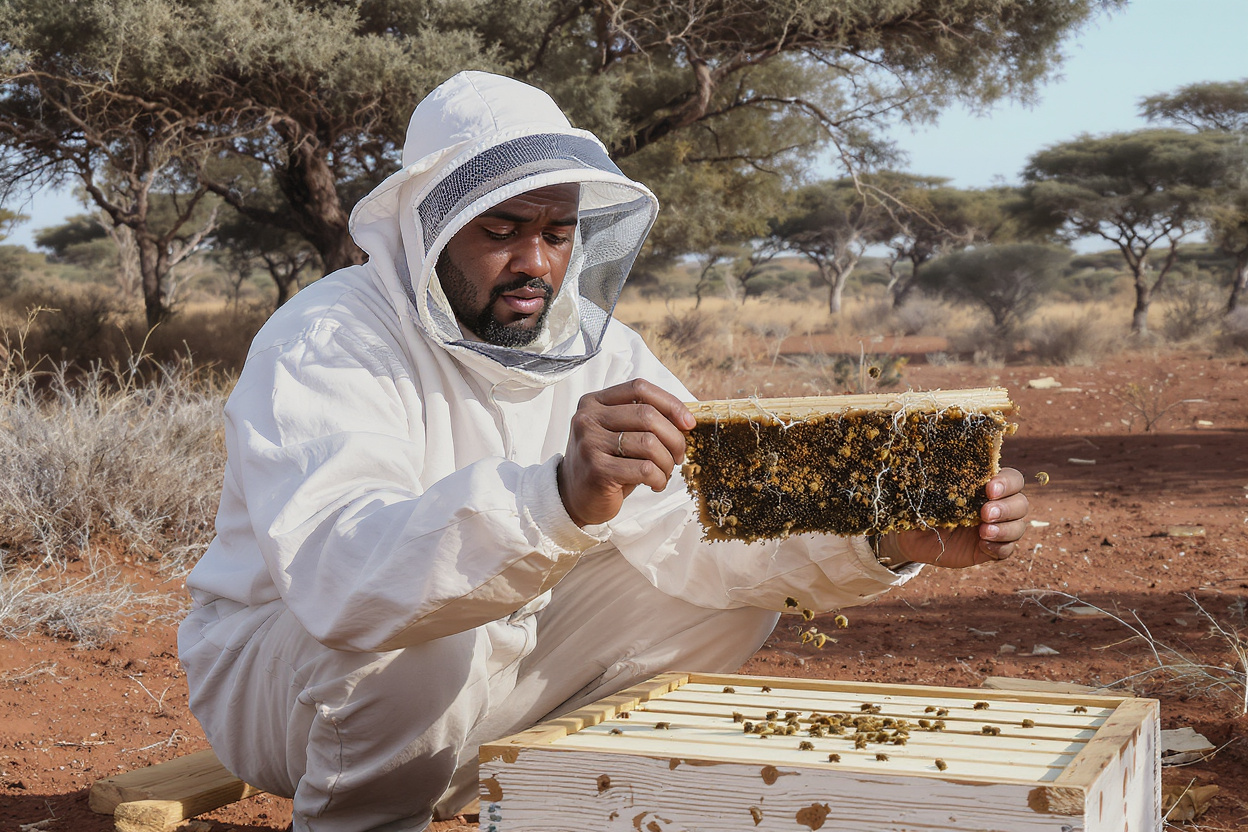
The hive was heavy with bees on Saturday. By Wednesday it stood empty, with a few dark combs and wax moth webbing creeping along the top bars. When bees abscond, the whole colony leaves at once, queen included, and leaves its brood and honey behind. In Kenyan apiaries the usual triggers are pests, heat, hunger and too much disturbance, and each of them can be managed.
Here is what pushes African honeybees out of Kenyan hives, and what to fix before the next colony moves in.
1. Know why bees abscond before you treat it
Absconding is not swarming. A swarm splits the colony and leaves half behind. Absconding takes everyone, queen included, and abandons brood and stores. Our African honeybees do this far more readily than European bees, and a survey of beekeepers in nine African countries, co-authored by icipe and KALRO researchers, ranked absconding among the main causes of colony loss alongside pests and drought.
2. Keep wax moth and hive beetles from taking over
KALRO’s guide to wax moth management in Kenya notes that heavy wax moth attack drives colonies out, especially weak ones, and small hive beetle damage to comb and stores does the same. Inspect every two weeks, cut out webbed or slimy comb, and narrow the entrance on small colonies so the guards can defend it.
3. Stop safari ants and honey badgers at the stand
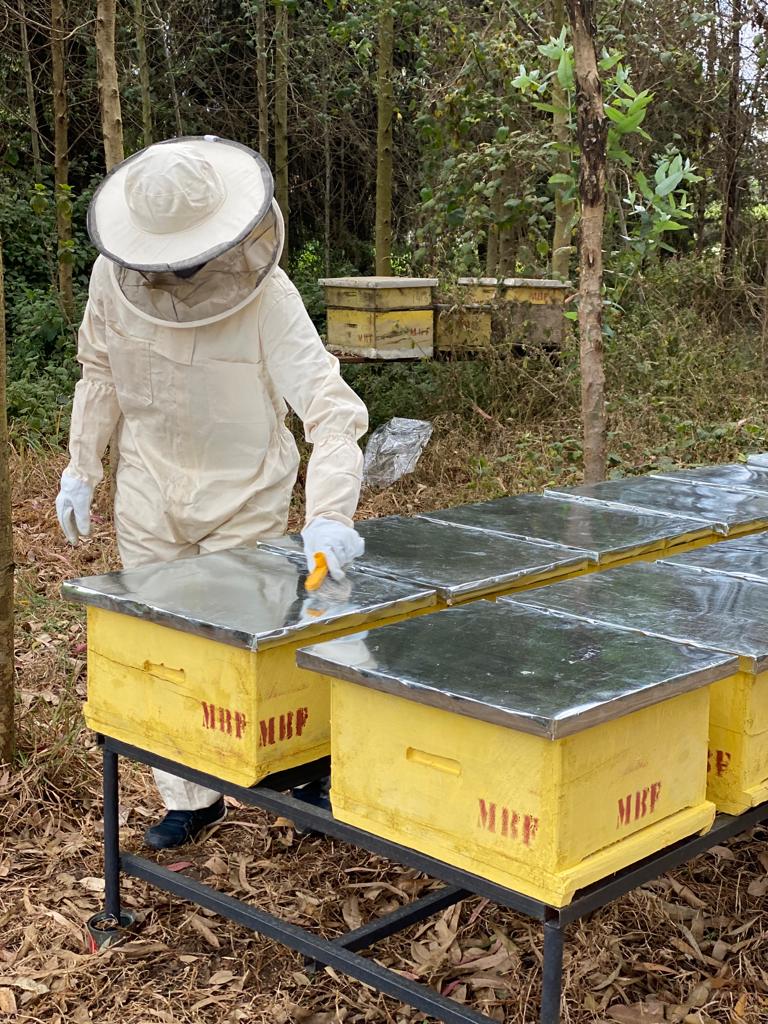
A single safari ant raid can empty a hive overnight, and a honey badger that reaches the box will tear it open. Raise hives on a proper hive stand with the legs set in oil or grease cups, keep grass cleared underneath, and strap the lid down. Our guide to beehive stand options in Kenya covers which design suits your site.
4. Give the colony shade, water and forage
A hive in full afternoon sun in Kitui or Baringo can overheat until the bees give up on it. Site hives under light shade, within reach of clean water, and close to flowering trees and crops. Research on Kenyan apiaries has linked absconding to small, light colonies and suggested that placing apiaries near good floral resources helps keep them.
5. Watch the brood and feed before the dry season bites
A Kenyan study found that colonies which absconded had low numbers of capped brood beforehand, so a shrinking brood nest is your early warning. When forage runs out between the rains, bees in a hive with empty stores will move on to look for better ground. Start feeding a 1:1 sugar syrup in a frame feeder while the colony still has some honey, not after it has none.
6. Harvest gently and leave enough honey
Take only capped surplus combs and leave the colony enough stores to get through the next dry spell. Work calmly in the cooler hours, use cool smoke sparingly, and keep inspections short. Frequent, rough inspections stress the colony and make it more likely to leave.
7. Make a new hive smell like home
Fresh timber, paint and chemical smells put bees off. Rub the inside of a new hive and the top bars with clean beeswax, add a little swarm lure, and let the hive air for a few days before stocking it. If you are moving a caught swarm, hold it first in a catcher box so the bees settle and start comb before you transfer them.
Keeping your colonies settled
Check for pests every two weeks, keep hives on ant-proof stands in light shade near water, feed before the dry season, and handle colonies gently. Do those four things consistently and your bees abscond far less often. If you want advice on stands, feeders or catcher boxes for your area, call or WhatsApp Modern Bee Farmers and we’ll talk it through.
Frequently asked questions
Is absconding the same as swarming?
No. Swarming is reproduction: part of the colony leaves with the old queen and the rest stay. Absconding is the whole colony abandoning the hive, usually because conditions inside or around it have become poor.
Can I get an absconded colony back?
Rarely. Once they have gone, fix the cause, clean out damaged comb, and bait the hive again so the next colony stays.
When do bees abscond most in Kenya?
During long dry spells when forage and water run short, and after heavy pest damage or disturbance. Colonies with little brood and few stores are most at risk.


